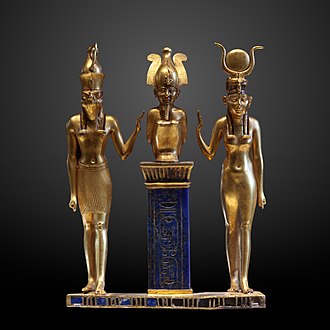

In today’s world, the concept of marriage is often misunderstood, misrepresented, and misaligned with its true purpose. Influenced heavily by European norms, modern society frames marriage primarily as a vehicle for romantic love and personal fulfillment. But this view is both shallow and misleading. Across African traditions and cosmology, marriage is far more than an expression of individual desire—it is a sacred institution designed to align families, communities, and generations with the order of the universe.
At Adinkra Media and The House Of Ausar, we believe that reclaiming ancestral wisdom is vital to restoring balance in modern African life. To truly understand the integrity of African unions, we must explore the ancient, cosmological purpose of marriage and contrast it with the imported European perspective. Only then can we correct the spiritual and social disruptions created over centuries of colonial influence.
European Lens: Romance and Personal Fulfillment
In European culture, marriage is often seen as the ultimate expression of romantic love. The dominant social script suggests that if affection, passion, or personal fulfillment is absent, the union is considered flawed. Divorce, separation, and social judgment often follow.
This perspective is rooted in individualism rather than communal or cosmic responsibility. European systems prioritize personal satisfaction as the measure of morality and legitimacy. Romantic attachment becomes the standard of a “successful” marriage, while social and spiritual accountability is often secondary, if acknowledged at all.
History, however, reveals contradictions. While promoting ideals of love-driven marriage, European societies also perpetuated war, conquest, slavery, and systemic exploitation. The romanticized ideal is more cultural narrative than ethical consistency. Meanwhile, sacred duties such as raising children and maintaining cosmic alignment are sidelined.
The results are evident: rising divorce rates, fragmented families, and children unrooted from lineage and purpose. European morality places desire above responsibility, weakening social cohesion.
African Ancestral Lens: Marriage as Cosmic Duty
In contrast, African cosmology situates marriage within the framework of cosmic order, ancestral guidance, and communal responsibility. Marriage is not primarily about love, happiness, or romantic compatibility. It is a sacred covenant meant to:
Unite families and bloodlines
Align the next generation with ancestral purpose
Secure spiritual and social balance for the community
While love may emerge between partners, it is secondary to cosmic responsibility. The union is not a private contract—it is a covenant that honors the ancestors, ensures the proper upbringing of children, and preserves the harmony of bloodlines.
Children raised under this system embody Ma’at—the principle of truth, balance, and order. Their upbringing is shaped by parents, guided by the community, and aligned with ancestral accountability. This produces children rooted in purpose, prepared to maintain spiritual and social equilibrium.
Marriage as a Communal Institution
African traditions view marriage as the union of lineages, not just individuals. This communal approach emphasizes:
Family involvement: Elders and extended kin guide and bless the union.
Ancestral approval: Marriages honor and receive validation from the spiritual realm.
Purpose-driven childbearing: Children are not “accidents” of desire, but sacred continuations of the bloodline.
Love may be welcomed, but the foundation is cosmic responsibility and communal harmony.
Modern Disruptions: Colonization and Commercialization
Colonialism disrupted African marriage systems by imposing foreign values. One of the starkest examples is the transformation of lobola (bride price).
Traditionally, lobola was symbolic and communal, honoring the bride’s family and strengthening accountability between lineages. It was never meant as a financial barrier. Under colonial and capitalist influence, lobola became transactional, creating inequality, delaying unions, and distorting spiritual purpose.
Today, many African societies emphasize romantic satisfaction and financial hurdles over cosmic duty. As a result, children are born into misaligned households, struggling socially, emotionally, and spiritually.
Reclaiming Cosmic Alignment in Marriage
To restore integrity to African unions, the following principles must be re-embraced:
Marriage is a cosmic covenant, not a private romance
Love is secondary—lineage and ancestral alignment are primary
Children are sacred, raised with truth and order
Lobola must return to its symbolic, communal meaning
Both men and women must honor their duty to family and community
This restoration ensures that African marriage returns to its role as a sacred institution of balance.
The Consequences of Misalignment
When marriage is divorced from its ancestral purpose, the effects are devastating:
Children grow up spiritually disconnected
Families fragment, weakening communal structures
Generations inherit cycles of misalignment and instability
The problem is not human emotion but the failure to place it within ancestral frameworks.
Conclusion: Returning to Ancestral Wisdom
Marriage is more than a European social construct or pursuit of romance. In African cosmology, it is a sacred covenant between lineages, a duty to the ancestors, and a responsibility to future generations.
By reclaiming this wisdom, we can:
Restore the spiritual and social purpose of marriage
Ensure that children are born into alignment with cosmic order
Correct distortions imposed by colonialism and commercialization
As Adinkra Media continues to amplify African voices and ancestral truths, we affirm that marriage is not just a personal arrangement but a cosmic institution. Love may enrich the union, but it is the sacred duty, communal responsibility, and alignment with truth that define its real value.
Marriage, in its truest African sense, is not simply between two individuals. It is a covenant with the ancestors, the community, and the universe itself. By reclaiming this perspective, Africans can realign families, restore heritage, and rebuild spiritual integrity for generations to come.