
Abidjan, Côte d’Ivoire – July 2025
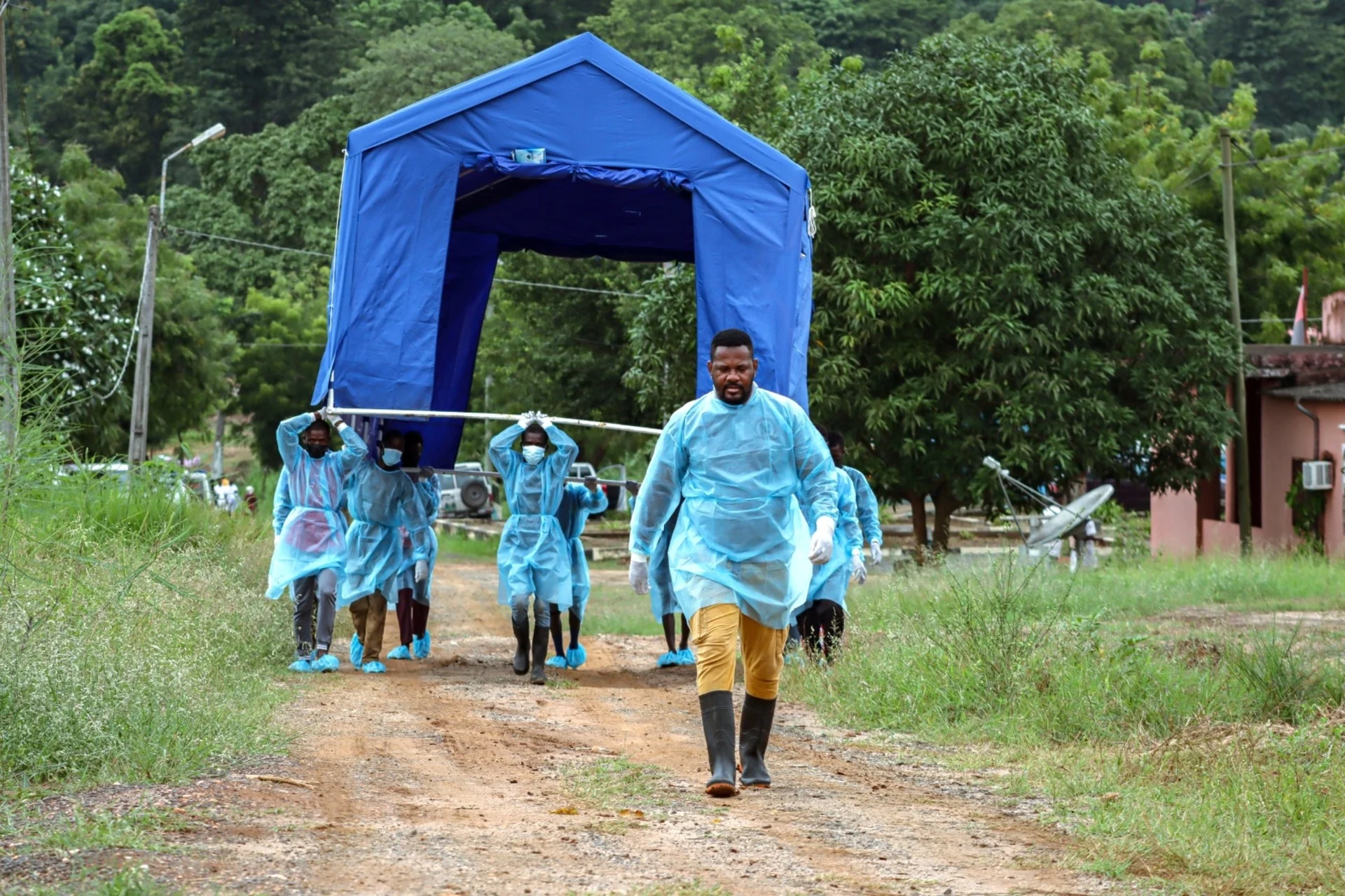
A rapidly growing cholera outbreak across West and Central Africa is raising urgent alarms among health agencies, as thousands of new infections overwhelm clinics and threaten the most vulnerable — especially children under five.
According to the World Health Organization (WHO) and UNICEF, over 80,000 suspected cases have been reported this year in countries including Nigeria, Cameroon, the Democratic Republic of Congo, Ghana, and Chad — a steep rise compared to previous years.
The spread is being fueled by poor sanitation, lack of access to clean water, and flooding caused by climate extremes, which have displaced tens of thousands and contaminated water sources.
“Cholera is a disease of inequality,” said Dr. Yvette Adama, a WHO outbreak specialist. “And right now, the poorest children are dying because they drink the only water available — often contaminated.”
In northern Ghana, community health workers report over 70% of cholera patients are children, many arriving at clinics too late due to long travel distances and stigma.
In Cameroon’s Far North, families displaced by violence are living in makeshift camps without toilets or safe water. Aid groups warn that underfunded sanitation responses are increasing the fatality risk.
UNICEF reports that in some affected regions, schools have been closed, and pediatric beds are overflowing.
Governments are scaling up responses with emergency water trucking, cholera vaccination campaigns, and hygiene awareness drives — but limited resources and overlapping crises, including conflict and food insecurity, are hindering impact.
“We need urgent investment not just in vaccines, but in infrastructure,” said Amara Toumani, regional director for Médecins Sans Frontières (MSF). “Every dollar spent on safe water saves lives and prevents outbreaks.”
Health experts are calling for:
Expansion of oral cholera vaccine access in remote communities
Increased funding for WASH (Water, Sanitation, Hygiene) services
Cross-border coordination to prevent regional spread
As the rainy season deepens, the situation could worsen without a rapid, unified response.
“We can’t treat our way out of cholera,” said Dr. Adama. “We must prevent it at its source — and protect our children before more lives are lost.”