
Kinshasa, DRC – July 2025
The Democratic Republic of Congo (DRC) has greenlit oil and gas exploration in over 30 new blocks, many located deep within biodiverse rainforests and protected gorilla habitats—a move that conservationists say could spell ecological disaster.
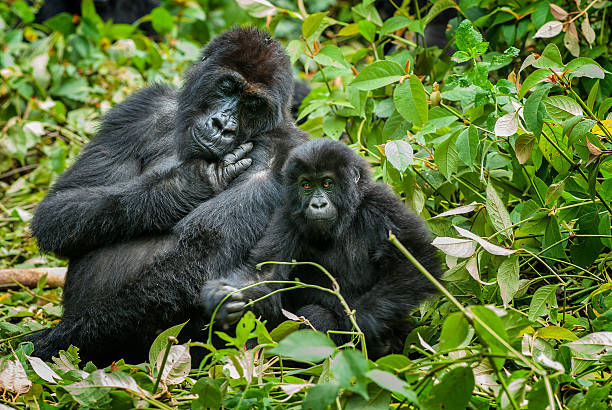
The decision, part of a sweeping hydrocarbons strategy by President Félix Tshisekedi’s government, places over 50% of the country’s rainforest area up for international energy bidding. This includes blocks inside or adjacent to Virunga National Park, home to endangered mountain gorillas, chimpanzees, and forest elephants.
“This could become one of the greatest environmental tragedies of our time,” warned Basile Ebale, a wildlife ecologist with the Central African Biodiversity Forum. “We are trading carbon sinks for crude oil.”
The DRC is home to the second-largest rainforest in the world, after the Amazon. Its peatlands and dense forests play a crucial role in carbon storage and global climate regulation.
While the government argues the move is key to boosting national revenue and reducing dependence on aid, critics say the short-term economic gain does not outweigh the irreversible environmental and social damage.
“We are not anti-development,” said Rachel Mbako, spokesperson for Greenpeace Africa. “But you can’t destroy what sustains millions of lives, both human and animal, in the name of oil.”
Many of the newly listed blocks overlap with indigenous lands, raising the risk of displacement, land rights violations, and resource conflicts.
Meanwhile, global reactions have been mixed. While Chinese and UAE oil firms have shown interest, European energy companies have backed off due to environmental and ESG concerns.
The United Nations and international NGOs have called for a moratorium on drilling in critical biodiversity zones. Activists are urging the DRC to pursue alternative development models, such as carbon credit markets and eco-tourism.
Despite growing pressure, Kinshasa insists it will proceed.
“We deserve to benefit from our natural wealth like any other country,” said Minister of Hydrocarbons Didier Budimbu. “DRC cannot remain poor while sitting on vast reserves.”
As bidding rounds continue through 2025, the fate of millions of hectares of pristine forest — and the gorillas within them — now hangs in the balance.