
Addis Ababa / Cairo – July 2025
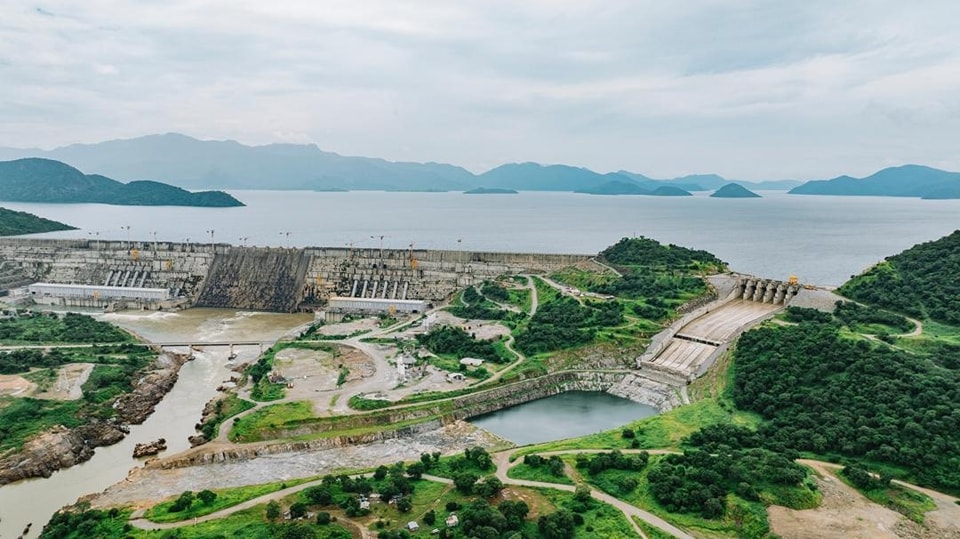
After more than a decade of planning, construction, and intense diplomatic wrangling, Ethiopia has declared the Grand Ethiopian Renaissance Dam (GERD) officially complete — sparking renewed fury in Egypt and heightened concerns from downstream Sudan.
Prime Minister Abiy Ahmed made the announcement at a televised ceremony near the dam site in Benishangul-Gumuz region, calling the project "a symbol of African self-reliance" and "a victory for Ethiopia's future generations."
The dam, now Africa’s largest hydropower facility, will generate over 6,400 megawatts of electricity, doubling Ethiopia’s current capacity and transforming the region’s energy outlook.
But for Egypt, which relies on the Nile River for more than 90% of its freshwater, the dam’s completion marks a red line.
“Ethiopia’s unilateral action threatens the lives and livelihoods of millions of Egyptians,” said Sameh Shoukry, Egypt’s Foreign Minister. “We reserve the right to defend our water security.”
The GERD has been the subject of bitter disputes since Ethiopia first broke ground in 2011. Negotiations mediated by the African Union, the United States, and the UN have repeatedly stalled over how the dam is filled and operated during droughts.
Ethiopia has long argued it has every right to utilize the Blue Nile, which originates in its highlands, for development — especially to lift millions out of energy poverty.
Egypt and Sudan, however, worry that rapid filling or mismanagement could reduce water flows critical for farming, electricity generation, and daily life.
Sudan, which lies between the two countries, expressed concern but urged diplomatic restraint.
“We hope GERD’s completion can be a point of cooperation, not conflict,” said a Sudanese water ministry spokesperson.
Water security experts warn that without a binding tripartite agreement, the dam’s operation could become a flashpoint for regional instability.
“Water wars aren’t just hypothetical anymore,” said Dr. Amal Hassan, a Nile Basin researcher. “This is a live geopolitical test case for Africa.”
The United Nations called for renewed talks and mutual respect, while the African Union said it would support "finalizing a legally binding framework" between all three countries.
Meanwhile, Ethiopians took to the streets in celebration, waving flags and chanting pro-GERD slogans. For many, the dam is more than a power station — it is a source of national pride and independence.
“We did this without the World Bank, without aid,” said Yohannes Tesfaye, a university student. “Now no one can stop Ethiopia.”