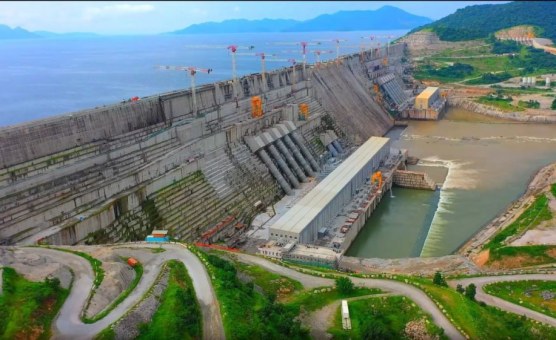

Addis Ababa, Ethiopia – July 2025
Ethiopia has announced the official completion of the Grand Ethiopian Renaissance Dam (GERD), a landmark project on the Blue Nile that is set to redefine the economic and political landscape of the region.
After nearly a decade of construction, the massive hydroelectric dam—one of the largest in Africa—is now fully operational, with an installed capacity exceeding 6,000 megawatts. Ethiopian Prime Minister Abiy Ahmed hailed the achievement as a “monumental milestone” for national development and regional cooperation.
The GERD is expected to provide electricity to over 60 million people in Ethiopia and neighboring countries, stimulate industrial growth, and bolster irrigation for agriculture. It also represents a key step in Africa’s quest for energy independence and sustainable development.
However, the dam has been at the center of long-standing disputes with downstream countries Sudan and Egypt, who fear the dam will reduce their share of Nile waters critical for farming and drinking supply.
Despite periodic diplomatic deadlocks, the three countries reached a historic agreement earlier this year on dam operation and water management protocols, reducing fears of conflict and opening the way for joint water resource cooperation.
Regional analysts suggest that the GERD could serve as a catalyst for broader East African integration if managed cooperatively. “This is not just an Ethiopian project; it’s a Nile basin opportunity,” said Dr. Fatima Hassan, an expert on transboundary water governance.
Environmental groups have welcomed the project’s potential to reduce reliance on fossil fuels but caution about ecological impacts that will require ongoing monitoring.
The Ethiopian government plans to leverage the GERD’s power output to attract foreign investment in manufacturing, technology, and infrastructure sectors, creating jobs and reducing poverty.
As the dam begins full operations, all eyes remain on how Ethiopia, Sudan, and Egypt will navigate shared water management challenges, with hopes that cooperation will trump contention on one of Africa’s most vital rivers.