
Maseru, Lesotho – July 2025
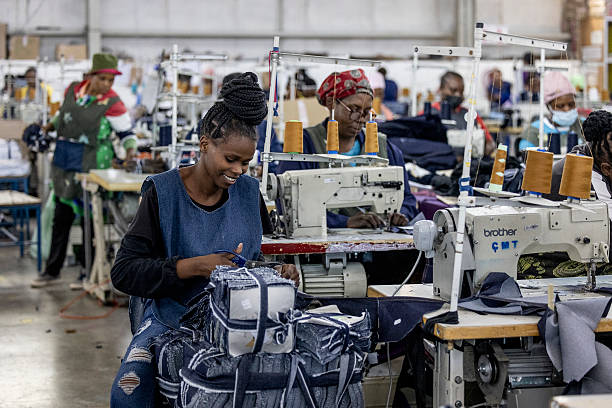
In the small garment town of Ha Thetsane, near Lesotho’s capital Maseru, a factory once known for exporting Trump-branded golf shirts to U.S. markets is now battling for its life.
Following a resurgence of U.S. protectionist trade policies, including a 30% tariff on textile imports from Africa, the factory has seen orders dry up, margins disappear, and hundreds of jobs hang in the balance.
“We used to fill entire containers bound for Florida and Texas,” said Nthabiseng Moleko, a supervisor at the plant. “Now we’re cutting shifts and praying for survival.”
The factory, operated under Lesotho’s once-booming apparel sector, had flourished under the African Growth and Opportunity Act (AGOA) — a U.S. law that gave African countries duty-free access to American markets.
But recent trade reviews under the Trump-aligned trade team — now returning in a second administration — have imposed new levies on apparel and fabric, citing the need to protect U.S. manufacturing jobs.
The impact on Lesotho has been severe.
More than 40% of the textile workforce has been affected by layoffs or reduced hours.
Export revenues have plunged as orders from U.S. retailers decline.
Many workers, primarily women, are now struggling to pay for food, rent, and school fees.
“It’s not just fabric being cut — it’s livelihoods,” said Thabo Letjama, an economist at the National University of Lesotho.
The situation has renewed calls for Lesotho to diversify its trade partners, explore intra-African export options, and invest in value-added garment design and branding.
Meanwhile, factory workers like Moleko feel caught in the crossfire of global trade politics they can’t control.
“How are we supposed to plan our lives when Washington can change everything overnight?” she asked.
Civil society groups have urged the Lesotho government to renegotiate more flexible trade terms and support struggling factories with stimulus or export guarantees.
“Lesotho was a symbol of what AGOA could achieve,” said Sipho Dlamini, a trade lawyer. “Now it risks becoming a case study in vulnerability.”
For now, the future of Lesotho’s textile workers — and the clothes they once proudly sent across the Atlantic — hangs by a thread.