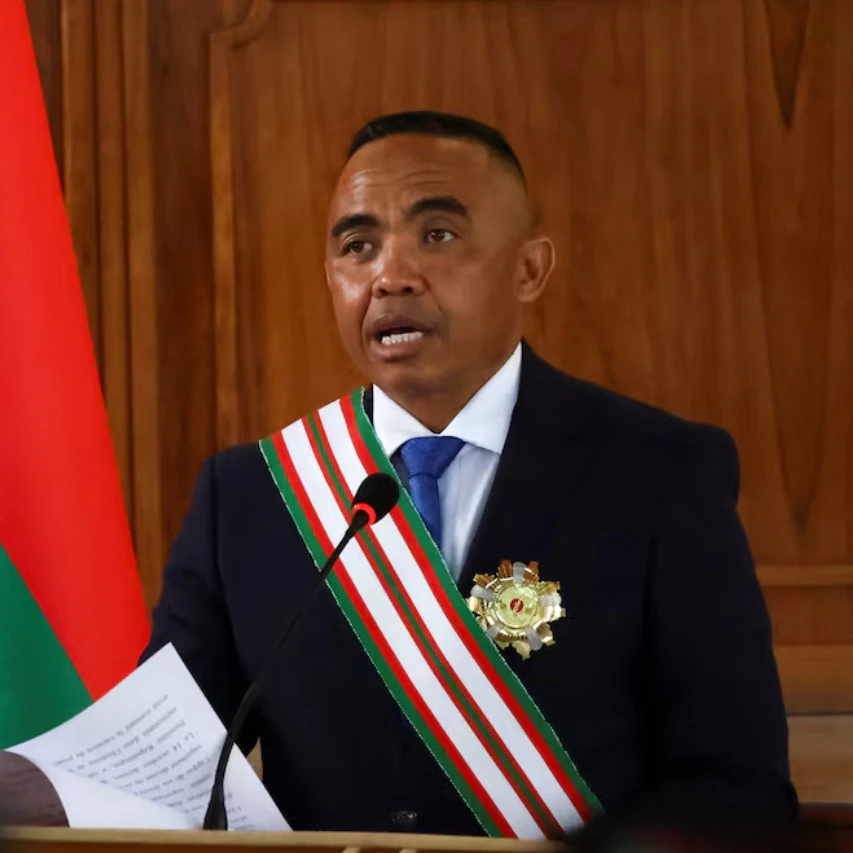

Madagascar has entered a period of political uncertainty following a recent coup that resulted in a change of leadership. The military-backed transition has installed new officials, promising reforms and stability, but the move has sparked debate across the country about the legitimacy of governance and adherence to democratic principles.
Observers report that the change comes after months of political tension, with the previous administration facing criticism over economic mismanagement and social unrest. Citizens in major cities have reacted with a mix of cautious optimism and concern, as the new leaders pledge to address economic challenges and improve governance structures.
Regional organizations and international partners are closely monitoring the situation, emphasizing the importance of a peaceful transition and respect for constitutional processes. Analysts warn that political instability could affect foreign investment and the delivery of essential services if the government fails to implement swift reforms.
The new leadership has announced an agenda focusing on economic growth, anti-corruption measures, and social development, aiming to restore confidence among citizens and regional stakeholders. As Madagascar navigates this critical period, the country’s trajectory will have lasting implications for both domestic stability and its role within the Indian Ocean region.