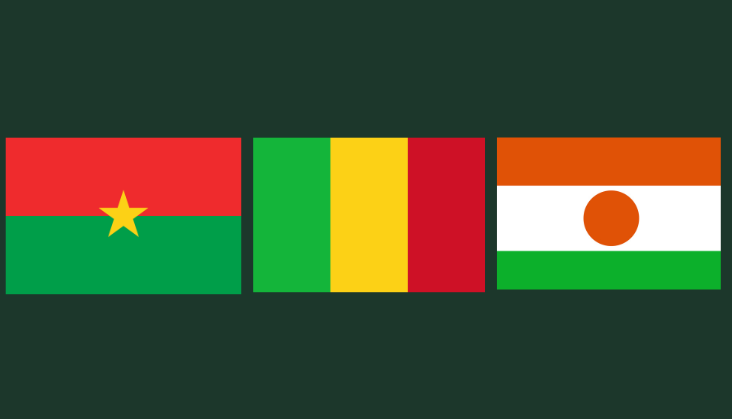

In a move described by observers as unprecedented, Mali, Niger, and Burkina Faso have jointly announced their formal withdrawal from the United Nations International Court of Justice (ICJ), the world’s top judicial body.
The decision, made public this week, comes amid deepening political realignments in the Sahel region, where all three military-led governments have embraced closer ties with regional allies outside of Western influence.
The ICJ, based in The Hague, traditionally handles disputes between states and provides advisory opinions on international legal matters. By withdrawing, the three countries have effectively signaled a rejection of the UN’s highest court’s authority in adjudicating disputes involving their states.
Leaders of the Alliance of Sahel States (AES) — the regional bloc formed by Mali, Niger, and Burkina Faso — said the withdrawal was part of a broader strategy to assert sovereignty and independence in global affairs.
Political analysts argue that the move could have far-reaching consequences for international law, particularly regarding cases of human rights violations, border disputes, or treaty obligations. Critics warn it may isolate the three nations further, while supporters see it as a bold step toward self-determination.
The withdrawal also coincides with rising tensions between these countries and Western powers, particularly France and the United States, following military coups and shifting alliances toward Russia and other non-Western partners.
For now, the focus is on how the UN and African Union will respond, and whether this development will set a precedent for other countries seeking to challenge international legal structures.