
Accra / Nairobi / Lagos – July 2025
A quiet revolution is sweeping across Africa, one mobile transaction at a time. Mobile money, once dismissed as a niche innovation, is now transforming the economic fabric of the continent — bridging the financial divide, powering small businesses, and challenging traditional banking models.
In 2025 alone, over $900 billion in mobile money transactions have been recorded across Africa, according to the GSMA. Platforms like M-Pesa (Kenya), MTN MoMo (West Africa), Orange Money (Francophone Africa), and Airtel Money are now serving more than 500 million users — from farmers in rural Uganda to shopkeepers in downtown Johannesburg.
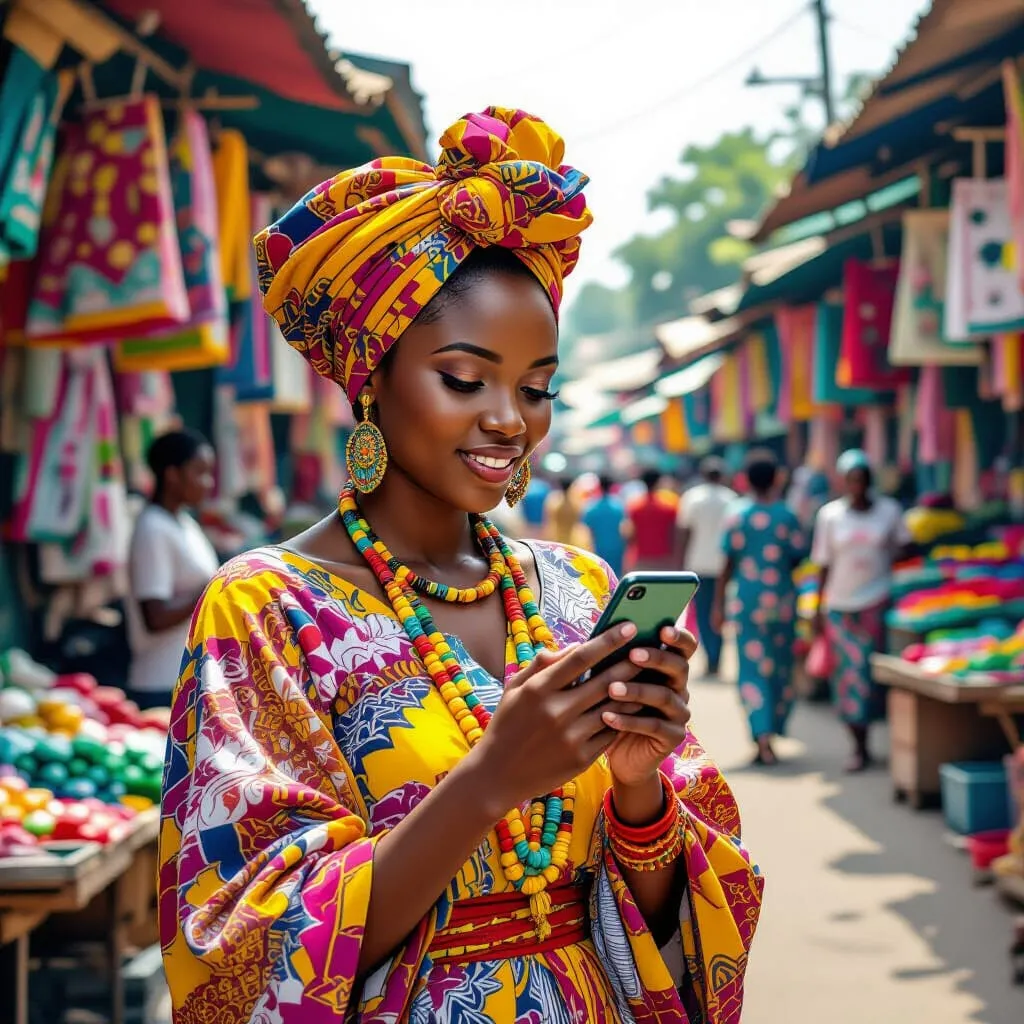
“We used to keep savings under the mattress,” says Abena Owusu, a market trader in Ghana. “Now I save and send money with my phone, even pay suppliers in Togo or Nigeria.”
Mobile money has evolved far beyond basic cash transfers. Users can now: – Pay taxes and school fees – Buy electricity and insurance – Access micro-loans and savings tools – Participate in cross-border trade with currency conversion features
In countries like Kenya, Tanzania, and Côte d’Ivoire, mobile money penetration exceeds 70%, far outpacing traditional bank accounts.
Economists say the trend is reshaping everything from GDP contribution to informal trade formalization, especially among women and youth.
“It’s the most inclusive financial revolution Africa has ever seen,” says Dr. Lamine Sagna, fintech policy advisor at the African Union. “And it’s homegrown.”
But the boom hasn’t come without challenges: – Fraud and cybercrime are rising as mobile platforms expand – Regulatory gaps remain, especially for taxation and consumer protection – Overdependence on telcos raises concerns about monopolistic practices
In Nigeria, the Central Bank initially resisted mobile money growth but has since approved Payment Service Banks (PSBs), allowing telcos to operate limited banking services.
Startups are also entering the fray. Ghana’s Float, Kenya’s Tala, and Nigeria’s Paga are using mobile-first models to offer everything from investment tools to buy-now-pay-later services.
Analysts predict that mobile money will drive $3 trillion in economic activity across Africa by 2030, especially as 5G infrastructure and digital IDs expand access.
“Mobile money is not just a financial tool — it’s a gateway to dignity, growth, and global participation,” says Salma Dlamini, a fintech entrepreneur in Johannesburg.
From refugee camps to fashion startups, this digital cash revolution is redefining how Africa earns, saves, and dreams.