Lagos, Nigeria – July 2025
In a country long known for its oil wealth, a new generation of industrial giants is redefining Nigeria’s export future. Leading the pack are Jindal Steel & Power and Dangote Industries, two mega-conglomerates helping to drive non-oil exports in sectors like cement, steel, fertilizers, and agro-processing.
Jindal, a global Indian-based industrial group, has rapidly expanded its Nigerian operations, exporting processed steel and power equipment across West Africa. With modern plants in Ogun and Kogi States, Jindal is creating jobs and reducing Nigeria’s import dependence in construction materials.
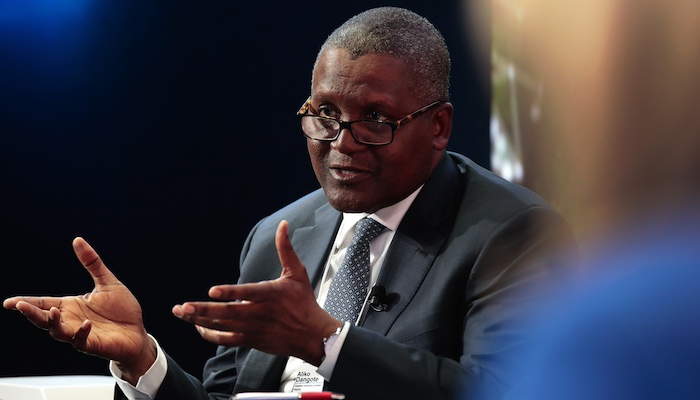
Meanwhile, Aliko Dangote, Africa’s richest man, continues to dominate cement and fertilizer exports through Dangote Group, with state-of-the-art facilities in Obajana, Ibese, and the Lagos Free Trade Zone. His $2.5 billion fertilizer plant alone is one of the largest in Africa, supplying crops across the continent.
Other rising players include: – BUA Group, expanding sugar and cement exports – Olam Nigeria, leading in sesame, cocoa, and cashew exports – Indorama Eleme, known for petrochemicals and urea
Combined, these firms are helping diversify Nigeria’s economy, stabilizing trade revenues in the face of oil volatility. In Q2 2025, non-oil exports reportedly hit a record ₦1.4 trillion, a 15% rise from the previous year.
“This shift toward value-added exports is crucial for our economic survival,” said trade analyst Ijeoma Okonjo. “Oil won’t sustain Nigeria forever.”
Challenges remain—from infrastructure deficits to port congestion—but the trend is clear: Nigeria’s future lies in factories, farms, and freight, not just oilfields.