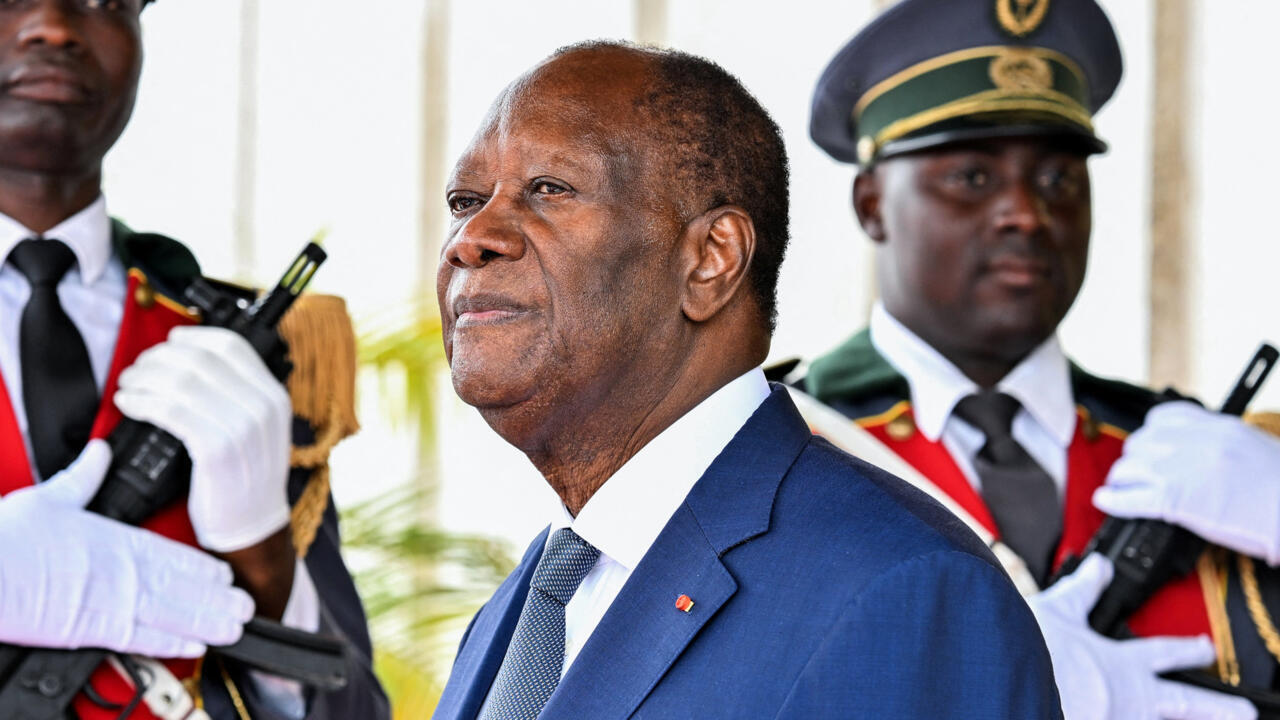

President Alassane Ouattara of Ivory Coast has signaled his intention to seek a fourth term in office, citing the country’s robust economic growth and rising international investment as justification for continued leadership.
Over recent years, Ivory Coast has experienced notable growth in sectors such as agriculture, infrastructure, and energy, positioning the nation as one of West Africa’s fastest-growing economies. Ouattara’s administration has emphasized projects in road networks, digital infrastructure, and industrial zones, claiming these initiatives have created jobs and boosted living standards.
Political analysts note that Ouattara’s decision comes amid debates over constitutional term limits and the role of economic performance in justifying extended leadership. Opposition parties argue that political competition must remain open and fair, warning against the concentration of power despite economic gains.
In a public address in Abidjan, Ouattara stated:
“Ivory Coast has made remarkable progress. Our people deserve continuity so that we can consolidate economic stability, invest in youth opportunities, and strengthen our country’s position in Africa and globally.”
Observers say the announcement is likely to intensify the political climate, as opposition leaders organize to challenge Ouattara’s bid and advocate for electoral transparency. Analysts also emphasize that economic achievements will be a central theme in campaign messaging, with voters weighing tangible growth against democratic principles.
Regional bodies and international partners have expressed interest in ensuring that upcoming elections remain peaceful, free, and fair, underscoring the importance of both stability and accountability in the nation’s democratic process.
With the election period approaching, Ivory Coast faces critical questions about how economic performance, governance, and citizen participation will shape political outcomes in the next term.