
Commentary – July 2025
For far too long, the pangolin has been treated as little more than a tragic headline — “the world’s most trafficked mammal.”
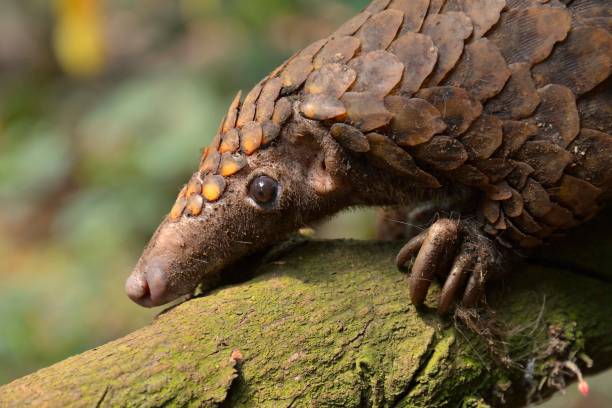
But behind that grim label is an extraordinary animal: shy, intelligent, scaly-yet-mammalian, and one of Africa’s most unique natural treasures. If we’re to save pangolins from extinction, we need more than just enforcement and policy — we need a narrative shift.
In much of Africa, pangolins are either demonized as bad luck or ignored entirely. In other regions, they are hunted for meat, traditional medicine, and illicit trade, with scales smuggled in bulk to Asia.
According to TRAFFIC, an estimated 1 million pangolins were trafficked globally over the past decade, with many species native to Africa — including the white-bellied, black-bellied, and giant ground pangolins — rapidly declining.
Yet, pangolins remain missing from public consciousness. They don’t evoke the grandeur of lions or the cuddly image of pandas.
This is why conservation must go beyond protection — it must tap into culture, community, and communication.
As a wildlife ecologist, I’ve seen first-hand how storytelling reshapes perception. When local schoolchildren in Nigeria were shown short films about pangolins, followed by workshops and art sessions, many shifted from indifference to advocacy.
We must tell better stories — in classrooms, social media, music, and local languages. We must highlight pangolins as guardians of insect balance (they consume up to 70 million ants and termites annually!), as gentle, vital, and worthy of awe.
Conservation programs across West and Central Africa are making strides. Organizations like the African Pangolin Working Group and Tikki Hywood Foundation are rescuing animals, training rangers, and working with local leaders to root anti-trafficking in traditional belief systems.
But without community buy-in, pangolins will vanish silently.
Changing the narrative means investing in education, embracing cultural pride, and recognizing the pangolin not as a curiosity — but as a symbol of Africa’s conservation awakening.
This is a call to artists, journalists, teachers, chiefs, and influencers: tell the story of the pangolin — before it’s too late.