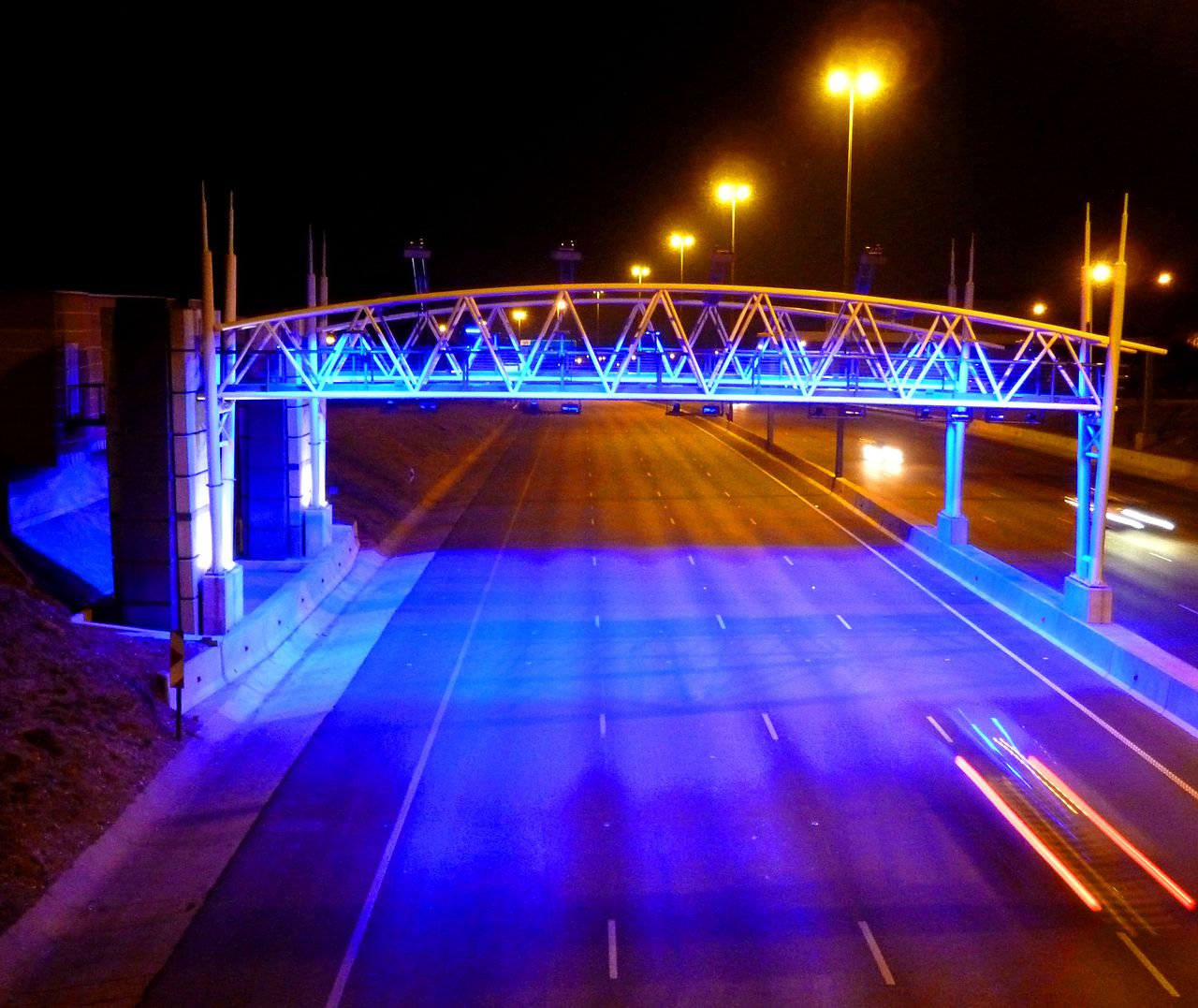

South Africa’s long-running e-toll saga has reached its final chapter, with government confirming that the controversial system on Gauteng’s highways will be permanently shut down.
Introduced in 2013 by the South African National Roads Agency (SANRAL), the e-toll system was intended to raise funds for road upgrades and maintenance through electronic gantries. But from the outset, it faced widespread opposition from motorists, civil society groups, and political parties, who argued the system was unaffordable, inefficient, and unjust.
Despite years of enforcement attempts, compliance remained extremely low, with estimates showing that less than 20% of motorists paid their e-toll bills. This widespread boycott rendered the system financially unsustainable and politically toxic.
“This is the end of an era. The e-toll system will no longer burden South Africans,” Transport Minister Sindisiwe Chikunga announced. “We are moving forward with a more equitable and transparent approach to road funding.”
The government confirmed that the billions in outstanding e-toll debt will not be pursued, effectively writing off years of unpaid fees. Instead, future infrastructure financing will be sourced through fuel levies and budget allocations.
Civil society groups that campaigned against the tolling system welcomed the announcement as a victory for people power, arguing that e-tolls symbolized government’s failure to listen to citizens. Opposition parties, meanwhile, criticized the state for wasting public money and dragging the saga out for over a decade.
The shutdown also marks the end of one of post-apartheid South Africa’s most divisive infrastructure policies. Analysts suggest it could serve as a cautionary tale for future projects that lack public consultation and transparency.
For many South Africans, the fall of e-tolls is less about transport and more about accountability and trust in government decision-making.