
South Africa has taken a major step toward strengthening its wildlife management framework as the Select Committee on Agriculture, Land Reform and Mineral Resources concluded a national workshop to align provincial legislatures on the regulations governing threatened or protected species (TOPS) — including the introduction of a new notice concerning African lions.
The workshop, held in Cape Town, brought together provincial lawmakers, conservation experts, and representatives from environmental NGOs to ensure consistent interpretation and enforcement of the National Environmental Management: Biodiversity Act (NEMBA). The discussions centered on improving coordination across provinces, many of which have faced challenges implementing wildlife policies at the local level.
“Our goal is to close the regulatory gaps that allow inconsistent enforcement between provinces,” said Committee Chairperson Ms. Lydia Phaliso. “By aligning legislation, we protect not just individual species like the African lion, but the ecological integrity of our entire environment.”
The new draft notice concerning lions aims to establish clearer guidelines for breeding, trade, and the management of captive populations, responding to long-standing concerns about unethical practices in the predator industry. Conservation groups have welcomed the move, saying it could mark a turning point in the government’s handling of the controversial captive lion breeding sector.
According to the Department of Forestry, Fisheries and the Environment (DFFE), the updated regulations are designed to balance conservation priorities with the socioeconomic interests of communities that depend on wildlife-related tourism and management.
“The lion is a symbol of Africa’s natural heritage,” said Dr. Sipho Mahlangu, a wildlife policy researcher at the University of Pretoria. “This alignment effort signals South Africa’s intent to manage species with both scientific precision and ethical responsibility.”
The workshop also reviewed the status of other threatened species, including rhinos, leopards, pangolins, and certain bird species. Experts emphasized that policy coherence is essential for South Africa to meet its international biodiversity commitments under the Convention on International Trade in Endangered Species (CITES) and the Kunming-Montreal Global Biodiversity Framework.
Community representatives stressed the need for policies that also promote sustainable livelihoods, noting that conservation must go hand-in-hand with social equity. Some delegates proposed expanding eco-tourism incentives and community ranger programs as part of a holistic conservation approach.
While final adoption of the revised regulations is still pending, the Committee signaled that a formal national consultation process will take place before the end of the year. Provincial legislatures are expected to submit their feedback and integrate the updated guidelines into their respective frameworks.
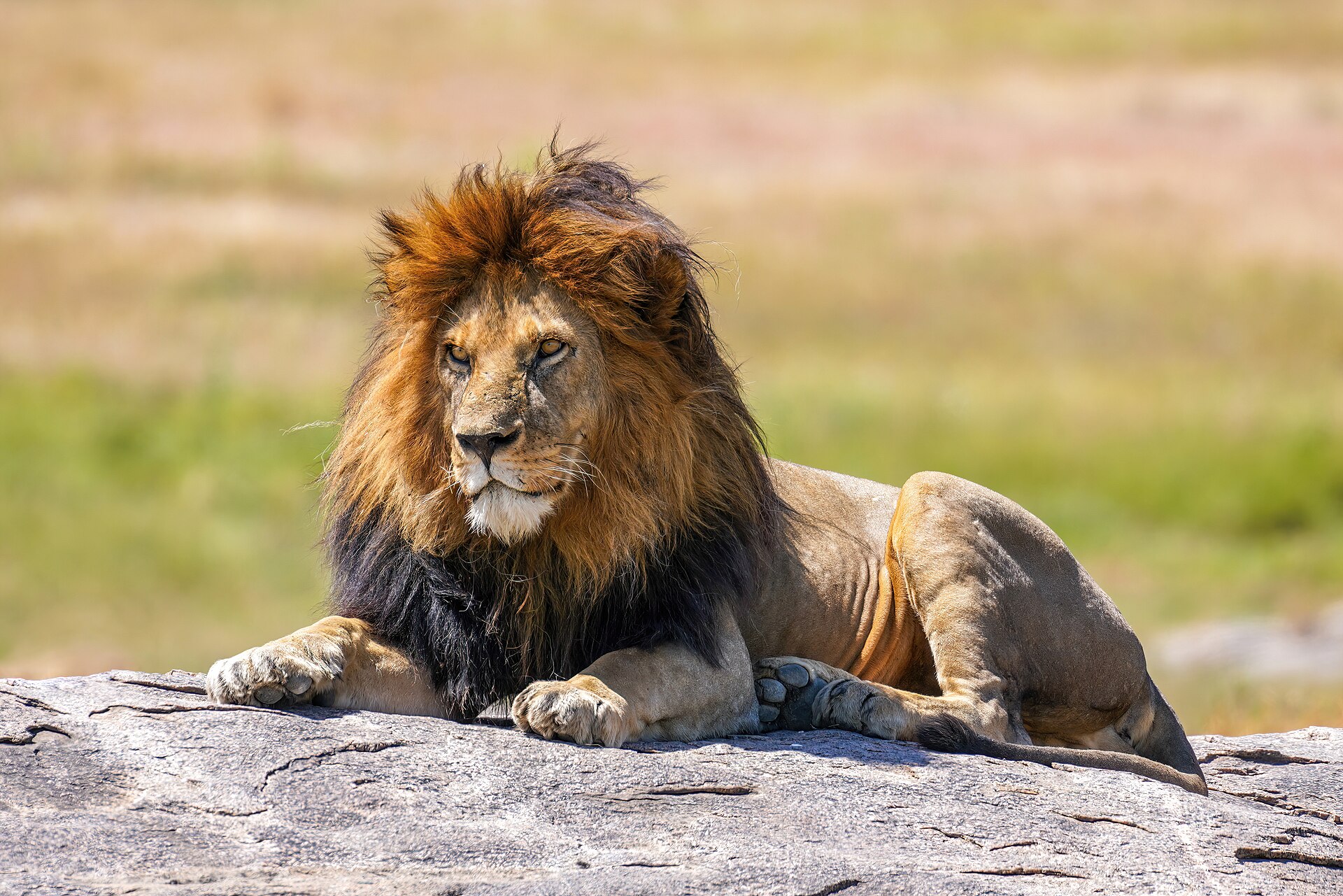
The African lion, long seen as both a cultural icon and a key species in South Africa’s ecosystem, remains under pressure from habitat loss, illegal trade, and controversial breeding operations. Conservationists hope the new legislative coordination will lead to stronger protection, ethical wildlife management, and better data-driven decision-making across the country.
As the nation aligns its conservation laws, this initiative represents more than just bureaucracy — it reflects a growing national commitment to biodiversity, accountability, and the restoration of ecological balance for generations to come.