
Cape Town / Johannesburg – July 2025
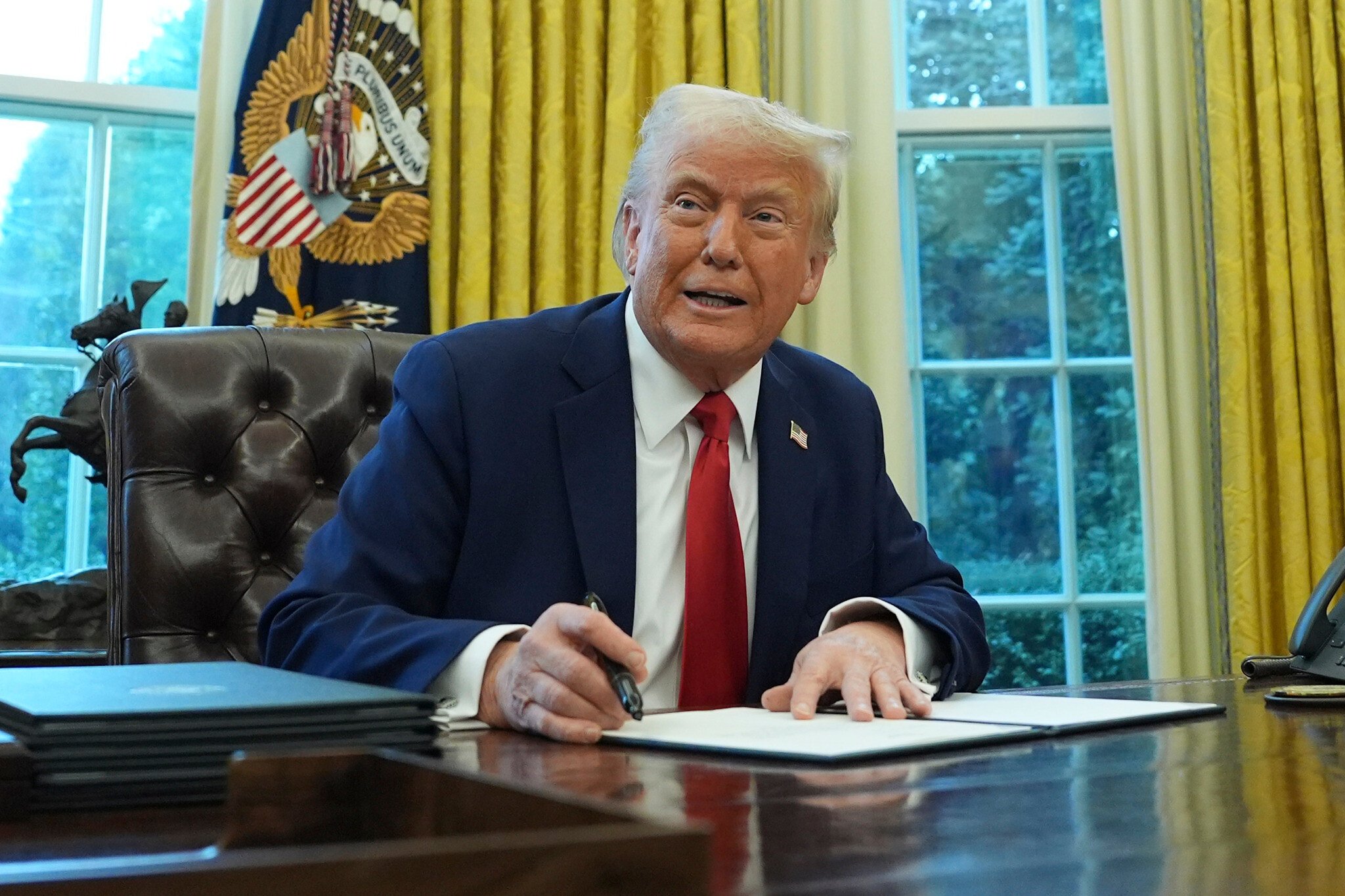
South Africa is preparing for a potential economic clash with the United States after former U.S. President Donald Trump, now the Republican front-runner for the 2026 campaign, announced a slate of protectionist trade measures that would hit key South African export sectors — including wine, copper, and automobiles.
The proposed tariffs, part of Trump’s revived “America First” agenda, threaten to upend long-standing trade ties under agreements like the African Growth and Opportunity Act (AGOA) and could cost South Africa billions in export revenue.
South African wine producers, who ship nearly $100 million annually to the U.S., say the move would be devastating.
“We’ve built relationships with U.S. retailers and sommeliers for over a decade,” says Thuli Jacobs, export manager at Stellenbosch Vineyards. “These tariffs could price us out of the American market overnight.”
The copper and platinum sectors, vital to South Africa’s mining economy, are also vulnerable. The U.S. remains a top destination for processed metals used in electronics and vehicle batteries.
Meanwhile, auto manufacturers in Gauteng and the Eastern Cape — including BMW, Mercedes-Benz, and Toyota plants — say their U.S.-bound exports are at risk, particularly for components and luxury vehicle models.
“Our margins are already tight,” said Sipho Mthembu, a senior auto industry economist. “A new 25–30% tariff would cripple competitiveness.”
South Africa’s Department of Trade, Industry, and Competition (DTIC) has condemned the proposal, vowing to pursue diplomatic channels and align with African Union counterparts to protect continental exports.
“This is economic aggression, not fair trade,” said Trade Minister Ebrahim Patel. “We’re reviewing our legal options under WTO and AGOA provisions.”
Analysts suggest Trump’s rhetoric is also aimed at curbing Chinese-African trade dynamics, as South Africa grows closer to BRICS economic alignment.
“It’s not just about wine or cars. This is about geopolitical leverage,” said Dr. Zanele Mbeki, a trade policy specialist.
The backlash is already brewing. South African exporters are exploring new markets in Asia and Latin America, while lobbyists in Washington urge Congress to reconsider unilateral trade policies that could damage African partnerships.
President Cyril Ramaphosa has not issued a formal statement but is expected to address the issue at the upcoming BRICS 2025 summit, where Africa’s position in global trade is a key topic.
With AGOA set to expire in 2026, many now wonder whether this is the beginning of a larger decoupling between U.S. and African economies under a future Trump administration.