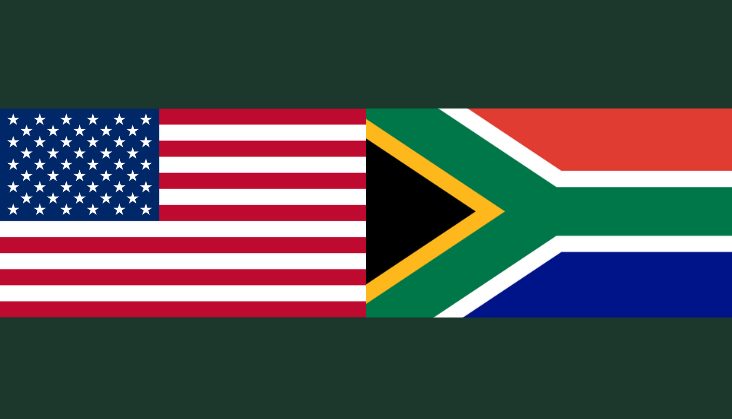

South Africa and the United States may be separated by geography, culture, and history, but they share a critical similarity in 2025: both nations are facing political polarization, governance challenges, and declining public trust in democratic institutions.
In South Africa, the ruling African National Congress (ANC) continues to wrestle with corruption scandals, service delivery failures, and calls for stronger accountability. Citizens are increasingly disillusioned with promises of reform that have yet to translate into tangible change.
In the United States, polarization between Democrats and Republicans has left Congress gridlocked on key policy issues. Public confidence in leadership has hit record lows, fueled by disputes over elections, immigration, and economic inequality.
Analysts argue that both societies reveal the fragility of democracy when public trust erodes. Institutions that are meant to safeguard accountability—courts, legislatures, and law enforcement—are themselves under pressure, accused of bias or inefficiency.
“The real test for both countries lies not in their differences, but in how they manage dissent, protect rights, and rebuild faith in governance,” says a political analyst based in Johannesburg.
The comparison also highlights the global nature of democratic struggles, where disinformation, inequality, and weak accountability structures threaten stability.
For South Africa, the lesson may be that the U.S. experience offers a warning: when institutions lose credibility, social divisions deepen. For the United States, South Africa’s story serves as a reminder of how unresolved corruption and inequality can erode democratic gains.
As both nations move forward, the challenge will be to strengthen accountability, promote unity, and restore the social contract that underpins democracy.