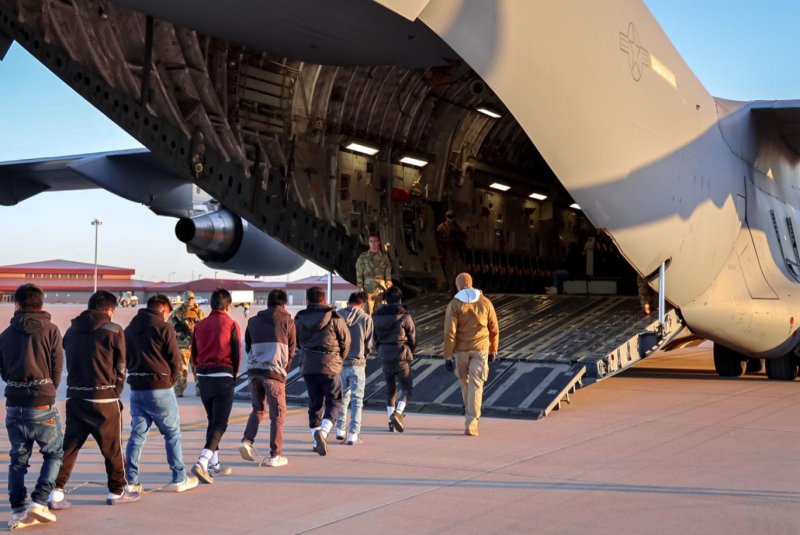

Juba, South Sudan – July 2025
In 2020, under the Trump administration’s hardline immigration policy, nine South Sudanese nationals were deported from the United States to Juba — some of whom had spent decades abroad and had tenuous ties to their homeland.
The deportations were part of a quiet bilateral agreement struck between Washington and South Sudanese officials. In exchange for accepting the returnees — some of whom had criminal records — the U.S. government pledged technical aid, reintegration support, and financial compensation for the burden placed on South Sudan’s fragile institutions.
Fast forward five years, and South Sudan is still waiting. Officials say they have received no substantial support, leaving both the deportees and local agencies to fend for themselves.
“We were assured by the Americans that there would be assistance to help us reintegrate these individuals into society,” said Deng Bol, a senior official in the Ministry of Humanitarian Affairs. “Instead, we got silence.”
Several of the deportees now live in limbo, unable to secure jobs, housing, or documents — and in some cases, facing stigma and surveillance.
“I grew up in Minnesota. I don’t speak Arabic. I don’t know anyone here,” said John D., one of the deportees now living on the outskirts of Juba. “They dumped me here like cargo.”
Rights groups, including Human Rights Watch and Amnesty International, have criticized both governments for failing to follow up on the well-being and legal status of the returnees.
U.S. officials under the Biden administration have been non-committal when pressed about the deal, calling it a “legacy agreement” and deflecting questions about outstanding commitments.
The situation highlights the ethical and logistical failures of deportation diplomacy, especially in fragile states like South Sudan, where infrastructure, security, and social services are already stretched thin.
“You can’t send people back to a country without any support plan and expect everything to go smoothly,” said analyst Nyachangkuoth Tai, who monitors migration trends in the Horn of Africa. “This is a cautionary tale.”
South Sudan’s government is now urging the African Union and IGAD to intervene diplomatically, while diaspora groups in the U.S. call for congressional hearings into the matter.