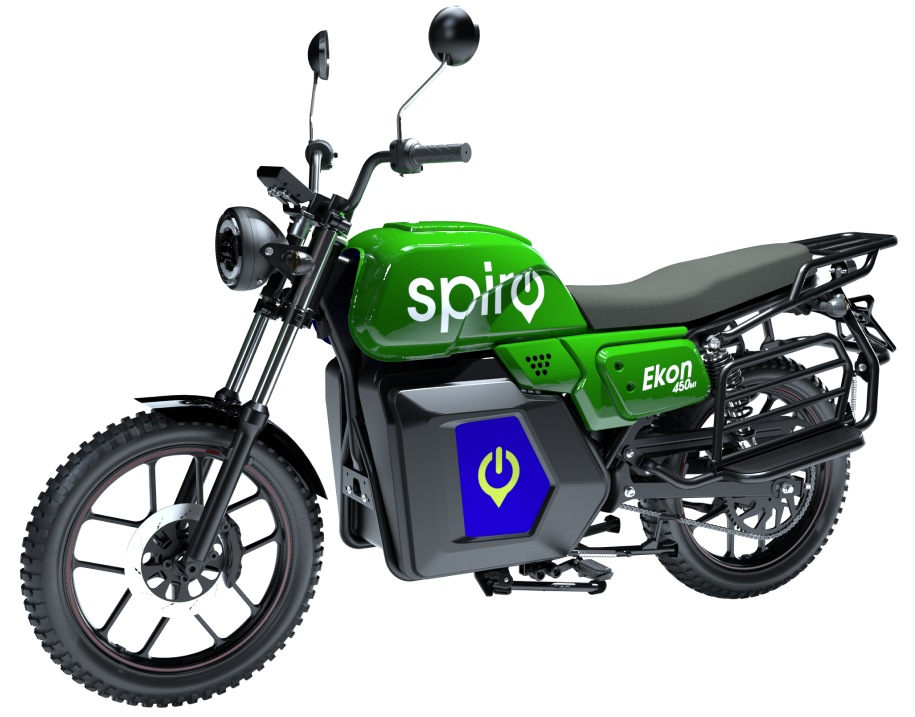

Kigali, Rwanda — African electric mobility pioneer Spiro has announced a $100 million funding round to scale its operations across the continent, advancing its mission to replace traditional fuel-powered motorcycles with clean, affordable electric alternatives.
The investment, led by a consortium of global and African financiers, is one of the largest in the continent’s growing e-mobility sector and reflects a strong vote of confidence in Africa’s potential to lead in green transport innovation.
“This milestone isn’t just about technology — it’s about transforming livelihoods,” said Spiro CEO Jules Samain. “Electric mobility can cut emissions, reduce transport costs, and create sustainable jobs for thousands of African riders.”
Driving Africa’s Clean Transport Future
Founded in Togo and now operating in multiple African countries including Rwanda, Benin, Kenya, and Uganda, Spiro has rapidly become a symbol of the continent’s green transition. The company provides battery-swapping stations, maintenance support, and ride-to-own programs that make it easier for riders to shift from petrol to electric bikes.
In just three years, Spiro has deployed more than 15,000 e-motorcycles and facilitated over 500,000 battery swaps monthly, significantly reducing carbon emissions in urban areas.
Its expansion plan aims to introduce 100,000 new bikes and 2,000 charging stations by 2027, creating what Samain calls “a pan-African ecosystem for sustainable mobility.”
Economic Empowerment and Environmental Justice
The shift to electric transport is not only about carbon reduction — it’s also about economic access and dignity. For many riders, especially in East and West Africa, Spiro’s leasing and ownership models provide a pathway to entrepreneurship and financial stability.
“When we talk about energy transition, we must include people,” said Dr. Aïssata Diop, an environmental economist based in Dakar. “Spiro’s model is inclusive — it centers everyday Africans in the story of climate resilience.”
Spiro’s battery-swap technology allows riders to exchange depleted batteries for charged ones in minutes, removing one of the main barriers to electric mobility: long charging times.
The company also sources and recycles batteries locally, working with universities and recycling startups to develop circular economy practices that reduce waste and dependency on imports.
Backed by Visionary Partnerships
The funding round was supported by investors including Arua Capital, African Development Partners, and several green technology funds focused on emerging markets. The initiative aligns with the African Union’s Agenda 2063 and the UN Sustainable Development Goals (SDGs), particularly Goal 7 (Affordable and Clean Energy) and Goal 13 (Climate Action).
According to Africa Investment Forum data, e-mobility could attract over $10 billion in cumulative investment by 2030 if infrastructure and policy support continue to grow.
“Africa has the chance to leapfrog into clean transport — not as a late adopter, but as an innovator,” said Dr. Tunde Owolabi, an energy transition analyst.
Pan-African Vision, Local Impact
In keeping with Adinkra Media’s focus on spiritual and communal progress, the rise of e-mobility represents not just technological change but a renewal of Africa’s harmony with nature. Electric motorcycles, when powered by renewable energy, symbolize a reconnection between human innovation and ecological balance.
Spiro’s leadership has expressed commitment to localizing production in Africa — including plans to establish assembly facilities in Ghana and Nigeria, which will create thousands of green jobs and reduce import dependency.
Looking Ahead
With this new funding, Spiro is set to deepen its partnerships with governments, renewable energy firms, and local cooperatives to expand battery networks and electric transport hubs.
The company’s long-term vision extends beyond mobility — toward a continent-wide transformation in how Africans move, work, and breathe.
As the continent faces both economic and environmental crossroads, initiatives like Spiro’s embody the Pan-African spirit of innovation rooted in responsibility — where progress honors both the planet and the people.