
Lomé, Togo – July 2025
In a political maneuver that has stunned observers and ignited protest across Togo, President Faure Gnassingbé has successfully overseen a rapid constitutional overhaul that eliminates presidential term limits—by abolishing the presidency altogether and creating an executive prime ministership, which he is now expected to occupy.
The controversial reform, passed in April 2025 after a rushed parliamentary process, officially transforms Togo from a presidential to a parliamentary republic. The new constitution vests sweeping powers in the office of the prime minister, including command of the armed forces and control over executive decisions.
Faure Gnassingbé—who has ruled since 2005 following the death of his father, longtime strongman Gnassingbé Eyadéma—is now positioned to remain in power indefinitely under a new title.
“This is not democratic reform. This is a strategic evasion of accountability,” says Dr. Kossi Mawunyo, a political science lecturer at the University of Lomé. “He has dodged term limits by destroying the terms themselves.”
Civil society groups, opposition leaders, and regional observers are calling the move a constitutional coup, warning that it sets a dangerous precedent for entrenched leaders across Africa.
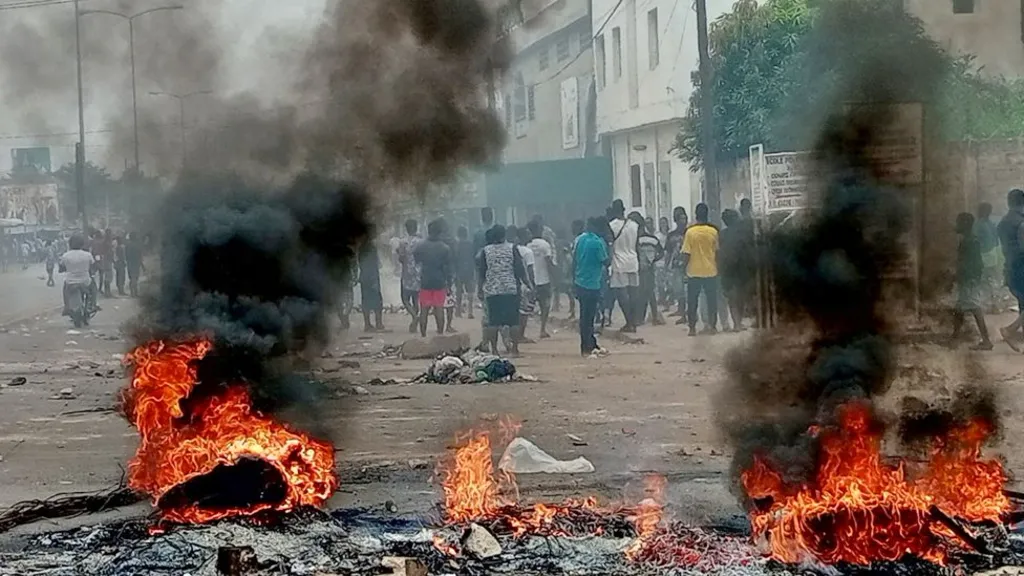
Protests have erupted in Lomé and other major cities, with security forces deploying tear gas and arresting demonstrators. Internet slowdowns were reported across key regions following the vote.
“Faure is trying to sell this as progress—but we see it for what it is: dynastic survival wrapped in legal language,” said opposition MP Brigitte Adjamagbo-Johnson.
The change has alarmed not just Togolese citizens, but also regional blocs like ECOWAS and watchdog groups like Freedom House, which have called for a review of the legality and legitimacy of the constitutional rewrite.
Gnassingbé's government defends the shift as a modernization of governance, arguing that the new system promotes balance and efficiency. But critics note that the ruling Union for the Republic (UNIR) party dominates parliament, effectively giving Faure unchallenged control.
Analysts now wonder if Togo’s model will be copied elsewhere by long-serving African leaders seeking a “legal exit from term limits without leaving power.”
“This isn’t just about Faure,” says Nigerian analyst Ayo Oladapo. “This is about how Africa’s oldest political dynasties are reinventing themselves to stay in power under the guise of reform.”
As calls for civil disobedience rise and diplomatic pressure mounts, the question remains: Can regional actors or domestic opposition stop the slide into executive authoritarianism?