
Washington D.C. / Lagos / Johannesburg – July 2025
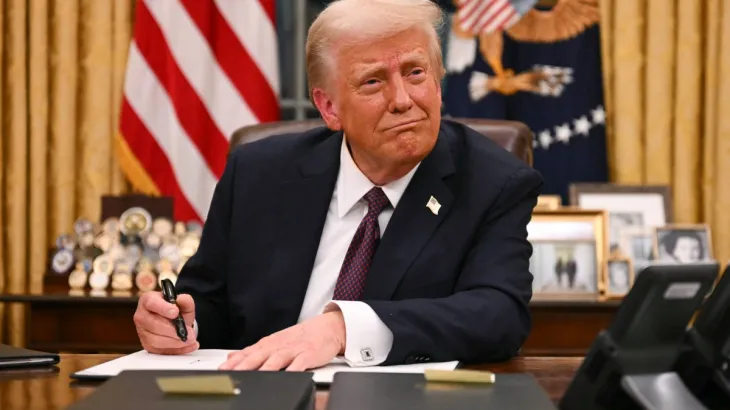
Former U.S. President Donald Trump, now back in office, has reintroduced sweeping tariffs on imported steel and aluminium, triggering fresh uncertainty for African exporters and heightening trade tensions between Washington and several developing economies.
The new tariffs—set at 25% for steel and 10% for aluminium—have been applied broadly, with no exemptions for African nations, despite past participation in preferential trade agreements like AGOA (African Growth and Opportunity Act).
South Africa, the continent’s largest steel producer and one of the few African countries with a direct export relationship with the U.S. in metals, is expected to feel the greatest impact. Local manufacturers warn of falling revenues, job losses, and diverted shipments.
“These tariffs jeopardize years of trade progress between South Africa and the U.S.,” said Themba Sibeko, a senior executive at SA Steelworks. “We may have to pivot to alternative markets in Asia and the Middle East.”
Egypt and Ghana, both emerging players in aluminium production and processing, also stand to lose as rising U.S. import costs make African metals less competitive compared to domestic or regional sources.
Analysts say the move could discourage future investment in African metallurgy, especially in nations attempting to scale industrial production as part of their AfCFTA-led diversification strategies.
“Tariffs like these don’t just hurt today’s exporters—they disrupt long-term growth plans,” noted Fatou Diarra, a West African trade economist.
The Trump administration defends the policy as part of its “America First” agenda, aimed at revitalizing U.S. manufacturing and protecting domestic jobs. But critics argue it undermines multilateral trade principles and penalizes allies unnecessarily.
The African Union has yet to issue a formal statement, but diplomatic sources suggest quiet talks are underway with U.S. trade officials to seek waivers or exemptions for low-volume exporters.
Meanwhile, China is moving to strengthen its supply agreements with African producers, a shift that could further reshape global trade alignments.
As African governments and businesses scramble to assess the fallout, one thing is clear: Trump's tariffs are not just a domestic issue—they're reverberating far beyond U.S. borders.